Romance History: A Font Duo for Timeless Design
In the world of design, the right typeface doesn't just convey a message—it sets a mood. Some projects demand a voice that feels both contemporary and classic, a blend of clean precision with a touch of human warmth. This is where a thoughtfully crafted font duo becomes an invaluable asset. The Romance History collection is precisely this kind of tool, pairing a modern sans serif with an elegant handwritten font to create a versatile foundation for countless creative endeavors.
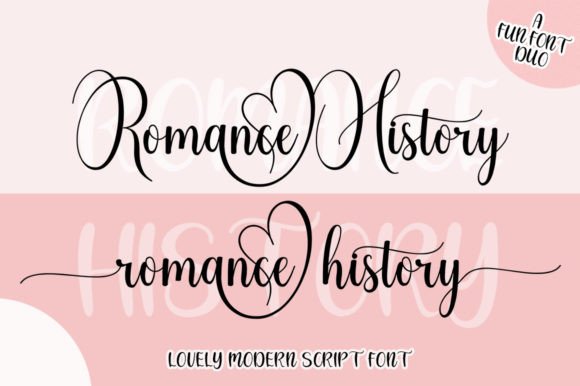
At its core, Romance History is about contrast and harmony. The sans serif component offers a clean, luxurious, and modern structure. Its letterforms are designed with balanced proportions and subtle geometric influences, providing excellent legibility for body text, headlines, and interface elements. It carries a professional, trustworthy personality. Paired with this is the script font—a flowing, beautiful handwritten style that injects personality, elegance, and a touch of bespoke artistry. The script isn't overly casual; it maintains a refined, legible quality that feels intentional and sophisticated. Together, they create a visual conversation that is both engaging and coherent, making this premium font pairing far more than the sum of its parts.
Where This Font Duo Truly Shines
The real strength of Romance History lies in its adaptability. It’s a creative font system built for real-world application. Consider its use in wedding fonts and event stationery. The script can beautifully render names and romantic flourishes on invitations, while the sans serif handles the crucial details like dates, times, and locations with crisp clarity. This ensures the piece is both beautiful and functional.
For entrepreneurs and small business owners building a brand identity, this duo offers a powerful solution. A logo can leverage the unique character of the script for the brand name, using the sans serif for a tagline or supporting text. This creates immediate visual interest and memorability. The same principle extends to packaging design, where the script can highlight a product name or a key ingredient, and the sans serif communicates essential information. From artisanal food labels to cosmetics, it communicates quality and care.
In the digital sphere, the applications are just as broad. For social media graphics, the combination helps create standout quotes, promotional announcements, and story highlights that feel personal and polished. Bloggers and content creators can use it for featured images, email headers, or PDF lead magnets to establish a consistent, professional aesthetic. The sans serif is also well-suited for web design as a heading or accent font, ensuring readability across devices while the script can be used sparingly for impactful pull quotes or calls to action.
Making It Work: Practical Guidance for Your Project
Adopting a new typeface is a strategic choice. When evaluating if Romance History is the right fit, consider the project's core personality. Is it aiming for elegant, modern, romantic, or artisanal? This font duo excels in those realms. It might be less suitable for projects requiring a stark, industrial, or ultra-minimalist aesthetic where even a hint of script could feel out of place.
Effective font pairing is key to maximizing its potential. The beauty of a pre-designed duo like this is that the heavy lifting is done for you—the weights and styles are curated to work together. However, you can extend the system by pairing the sans serif with other complementary fonts. For instance, a classic serif font could be used for long-form body copy in an editorial design project, with the Romance History sans serif for headlines and the script for accent quotes.
Always test for readability and visual hierarchy. The script font, while legible, is best used for short bursts of text—headlines, logos, and accents. Avoid setting entire paragraphs in the handwritten style. Use the sans serif for information that needs to be scanned quickly. This deliberate layering guides the viewer's eye and makes your design more effective.
Finally, understand the licensing. As a commercial font, ensure the license covers your intended use, whether for a client's logo design, printed merchandise, or a digital product you sell. Reviewing the included styles—such as italic or bold variants—will also inform your typographic toolkit and help maintain brand consistency across all touchpoints.
Ultimately, Romance History is more than just a set of letters; it's a design asset that helps tell a story. It provides the tools to create work that feels both professionally crafted and personally resonant, whether you're designing a business card, a book title, or a vintage-inspired poster. Its strength is in its thoughtful duality, offering a reliable structure and a captivating personality in one package.