Bringing Holiday Enchantment to Your Designs
A Typeface That Captures the Festive Spirit
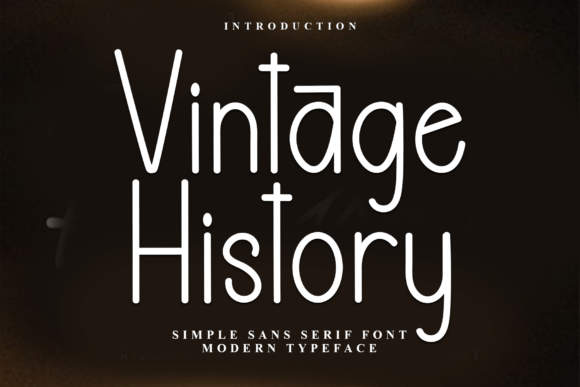
When the holiday season approaches, every designer and creative professional faces the same challenge: capturing that magical, nostalgic feeling in their work. Enter Vintage History, a festive typeface that understands exactly what the season demands. This decorative serif font doesn't just display letters—it tells a story, wrapping your words in the warmth of holiday traditions and the whimsy of childhood wonder.
What makes Vintage History stand apart from typical premium fonts? Its character set features ornamental flourishes, playful curves, and subtle details that evoke hand-crafted holiday cards from decades past. The letterforms carry weight and presence without feeling heavy, striking that delicate balance between decorative flair and functional readability. Each glyph seems designed to make people pause, smile, and feel something genuine about whatever message you're sharing.
As a display font, Vintage History excels in situations where you need text to command attention while maintaining approachability. The typeface personality leans distinctly festive—think Christmas markets, cozy fireside gatherings, and beautifully wrapped presents—without crossing into cartoonish territory. This restraint makes it versatile enough for both whimsical personal projects and polished commercial applications.
Greeting Cards and Stationery
Obviously, greeting cards represent the most natural home for Vintage History. Whether you're designing holiday cards for clients, creating your own stationery line, or crafting personalized invitations, this font delivers instant seasonal charm. The decorative elements work beautifully at larger sizes where every swirl and serif gets room to breathe. Pair it with clean sans serif fonts for body text, and you've got a card design that feels both professional and heartfelt.
Gift Tags and Packaging Design
Small-format applications like gift tags, stickers, and product labels benefit enormously from Vintage History's distinctive character. In packaging design, where shelf presence matters, this typeface helps products communicate premium quality and artisanal care. Artisan food brands, candle makers, boutique soap companies, and specialty gift shops find that fonts like Vintage History elevate their visual identity during peak shopping seasons.
Digital and Social Media Applications
Don't assume festive fonts belong only in print. Vintage History translates wonderfully to social media graphics, email headers, website banners, and digital advertisements. During November and December, brands compete fiercely for audience attention, and distinctive typography helps cut through the noise. Instagram posts, Pinterest pins, and Facebook ads featuring this kind of creative font consistently generate higher engagement because they trigger emotional responses tied to holiday nostalgia.
Brand Identity and Marketing Materials
Small business owners and entrepreneurs launching holiday campaigns discover that strategic font choices dramatically influence brand perception. Using Vintage History for seasonal logo variations, promotional flyers, menu designs, or event posters signals that your brand pays attention to detail and understands the cultural moment. This kind of visual awareness builds recognition and trust with customers who appreciate thoughtful presentation.
Font Pairing Strategies
Every decorative font needs complementary partners. Vintage History works best alongside simple, understated typefaces that provide visual breathing room. Consider pairing it with a clean sans serif font like Montserrat or Open Sans for body copy. If you prefer serif companions, something like Lora or Playfair Display offers elegance without competing for attention. The key principle: let Vintage History handle headlines and focal points while your secondary font manages supporting information.
Testing font pairings before committing to final designs saves considerable revision time. Create sample layouts at actual production sizes—what looks balanced on a large monitor might feel cramped on a printed card or mobile screen. Pay particular attention to x-height relationships between your chosen fonts, ensuring they feel harmonious rather than disconnected.
Readability and Visual Hierarchy
Decorative fonts demand thoughtful implementation regarding readability. Vintage History performs admirably at display sizes, but setting paragraph-length text in this typeface would frustrate readers. Reserve it for headlines, short phrases, names, and emphasis points where its personality enhances rather than hinders comprehension. Good typography creates clear visual hierarchy, guiding readers naturally from your most important message through supporting details.
Color choices matter significantly with ornamental typefaces. High contrast between text and background ensures the decorative details remain visible and effective. Dark Vintage History letterforms against light backgrounds work reliably, while reversed-out white text on rich jewel tones—deep burgundy, forest green, navy—amplifies the festive mood authentically.
Licensing and Access
One practical advantage worth noting: Vintage History comes PUA encoded, meaning every glyph, ligature, and decorative alternate sits accessible through standard character map tools. This encoding eliminates the frustration designers sometimes face when ornamental characters hide behind obscure keyboard shortcuts. Whether you use Adobe Illustrator, Photoshop, Canva, or other design platforms, accessing the full character set remains straightforward.
Before using any commercial font in client work or products for sale, verify the licensing terms match your intended application. Most premium fonts offer different license tiers for personal versus commercial use, and understanding these distinctions protects both you and your clients from potential issues down the road.
Evaluating Project Fit
Not every project suits a festive, decorative typeface—and recognizing that distinction separates experienced designers from enthusiastic beginners. Ask yourself honestly: does this project call for whimsy and nostalgia, or does it need neutrality and restraint? Holiday-themed work, seasonal promotions, celebratory announcements, and vintage-inspired branding all welcome Vintage History naturally. Corporate annual reports, medical publications, or minimalist tech branding probably don't.
The most effective design decisions happen when typography serves the message rather than overshadowing it. Vintage History, used thoughtfully and strategically, transforms ordinary holiday communications into memorable experiences that resonate with audiences who cherish the season's warmth and magic.